Introduction:
A dead battery can happen when you least expect it, leaving you stranded and frustrated. But with the right knowledge and preparation, you can handle this common roadside emergency with confidence. In this post, we’ll discuss strategies for dealing with a dead battery and ensuring you’re prepared to handle emergencies on the road.
Preventative Measures:
Prevention is key when it comes to dealing with dead batteries. Take proactive steps to reduce the risk of a dead battery by:
- Regular Maintenance: Schedule routine battery checks and maintenance to ensure your battery is in good condition.
- Keeping Terminals Clean: Clean battery terminals and cable connections to prevent corrosion and ensure a strong electrical connection.
- Using a Battery Maintainer: If your vehicle will be parked for an extended period, use a battery maintainer or trickle charger to keep the battery charged.
Emergency Toolkit:
Prepare a roadside emergency kit that includes essential items for dealing with a dead battery:
- Jumper Cables: Keep a set of high-quality jumper cables in your vehicle at all times.
- Portable Jump Starter: Invest in a portable jump starter for added peace of mind, especially if you frequently travel long distances.
- Safety Gear: Include reflective vests, flares, and warning triangles to ensure your safety while working on the roadside.
Jump-Starting Your Vehicle:
If your battery dies, knowing how to safely jump-start your vehicle can get you back on the road quickly. Follow these steps:
- Position Vehicles: Park the donor vehicle close to your vehicle, but do not allow them to touch.
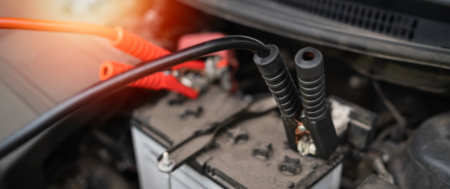
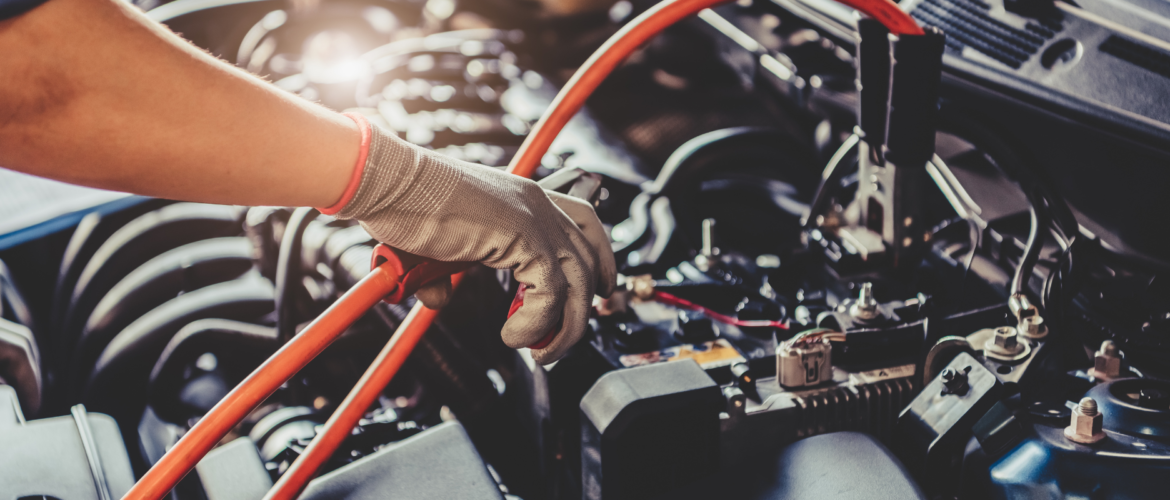
- Connect Jumper Cables: Attach one end of the red jumper cable to the positive terminal (+) of the dead battery and the other end to the positive terminal of the donor battery.
- Connect Grounds: Connect one end of the black jumper cable to the negative terminal (-) of the donor battery and the other end to a metal surface on your vehicle’s engine block, away from the battery.
- Start the Donor Vehicle: Start the donor vehicle and let it run for a few minutes to charge the dead battery.
- Start Your Vehicle: Attempt to start your vehicle. If it starts, let it run for a few minutes to recharge the battery.
Alternative Solutions:
If you don’t have access to jumper cables or a donor vehicle, there are alternative methods for starting a car with a dead battery:
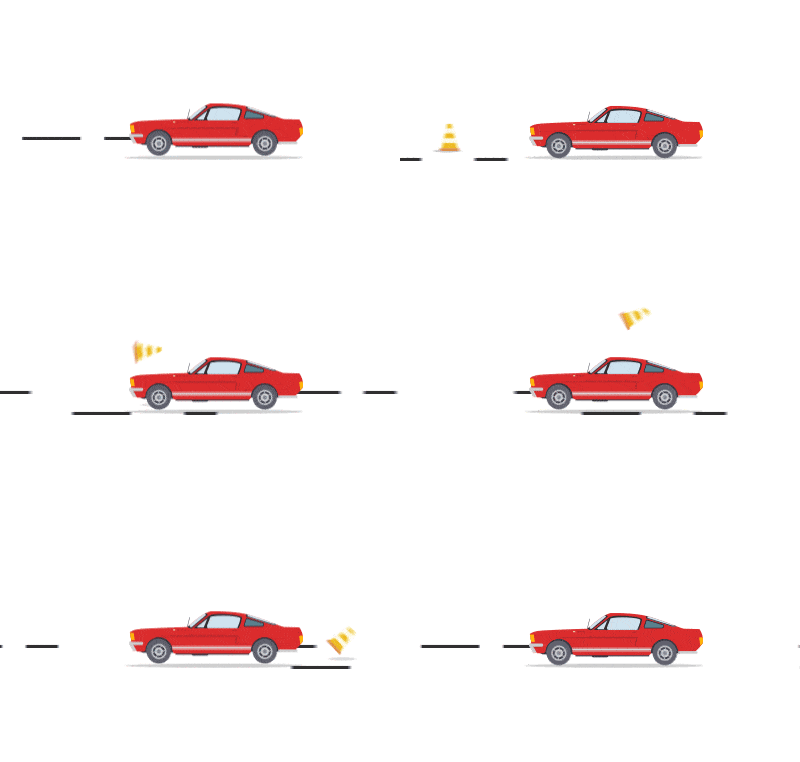
- Push-Starting: In manual transmission vehicles, you can push-start the car by engaging the clutch while rolling and then releasing it to start the engine.
- Battery Charger: Use a battery charger to recharge the dead battery. This method requires access to a power source and may take longer than jump-starting.
When to Seek Professional Help:
While jump-starting a vehicle is a common solution for a dead battery, there are situations where professional assistance may be necessary:
- Repeated Dead Batteries: If your battery dies frequently, it may be a sign of a more serious issue, such as a faulty alternator or parasitic draw.
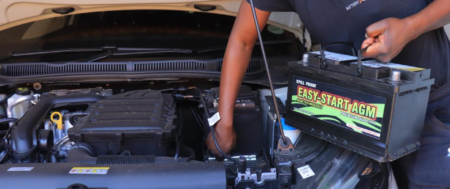
- Battery Replacement: If your battery is old or no longer holds a charge, it may need to be replaced. A professional technician can test your battery and recommend a suitable replacement.
Conclusion:
By taking proactive measures and preparing for emergencies in advance, you can minimize downtime and get back on the road quickly and safely in the event of a dead battery. Whether you’re jump-starting your vehicle or seeking professional assistance, knowing how to handle a dead battery with confidence is an essential skill for every driver. Stay tuned for more tips and insights on automotive emergency preparedness in future posts!